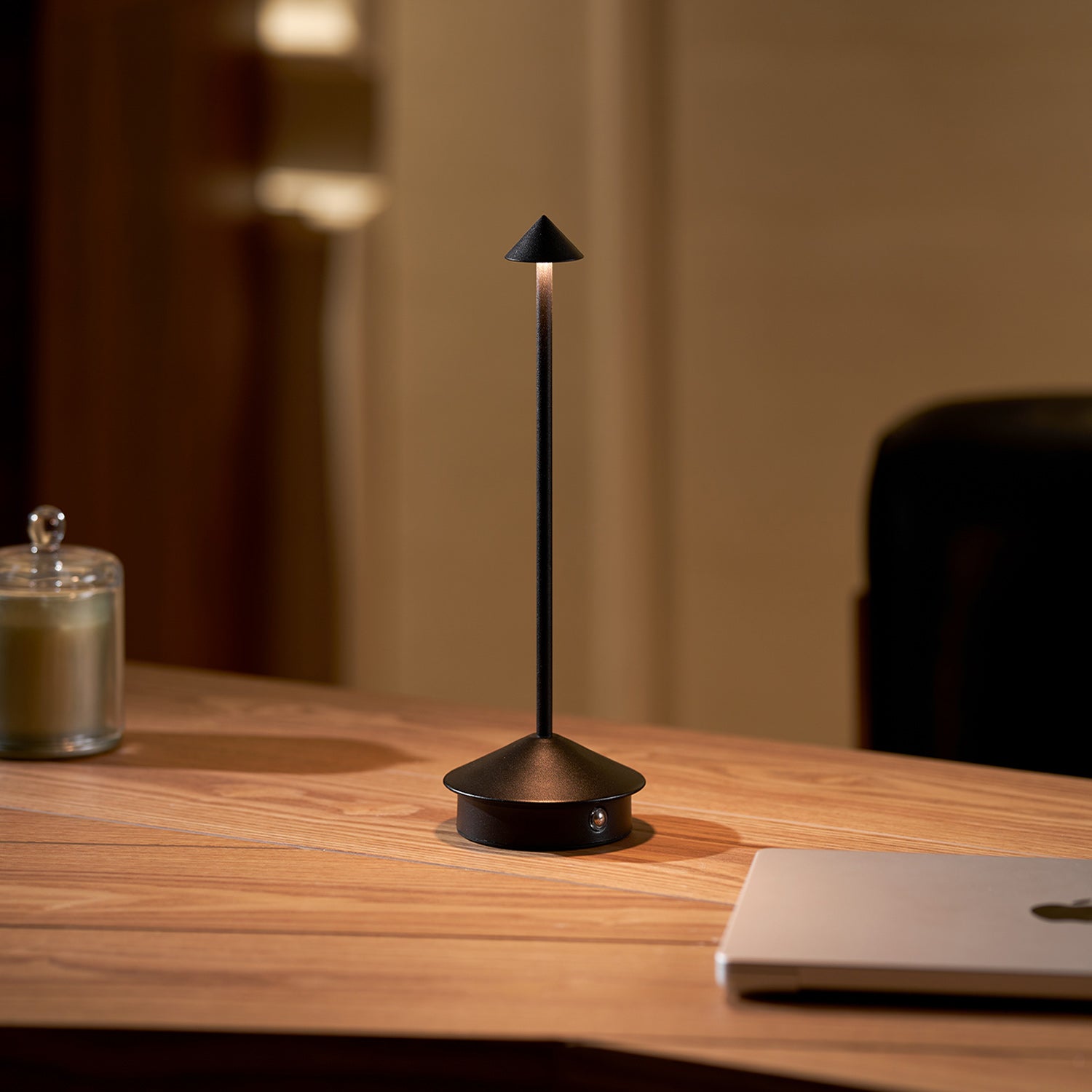
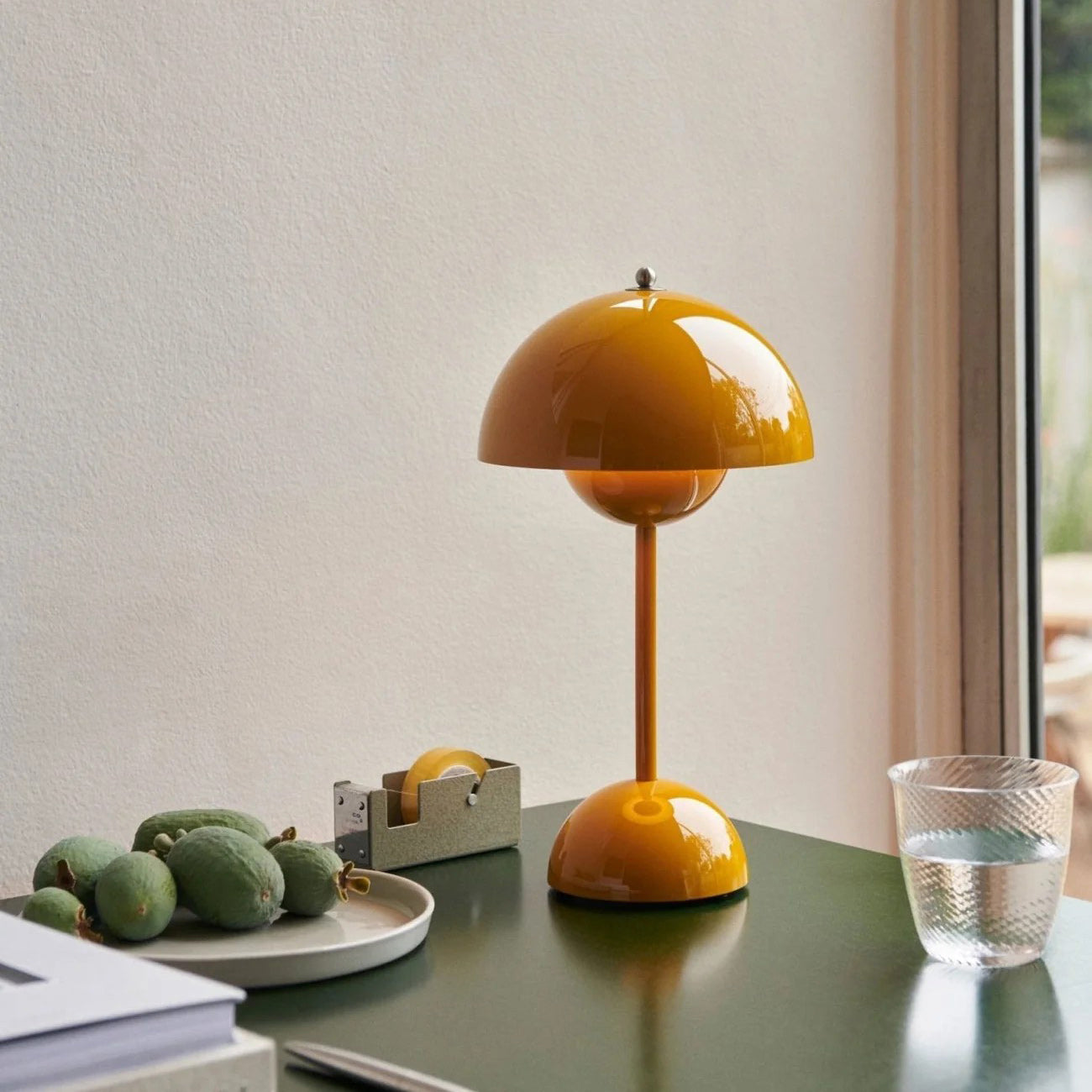
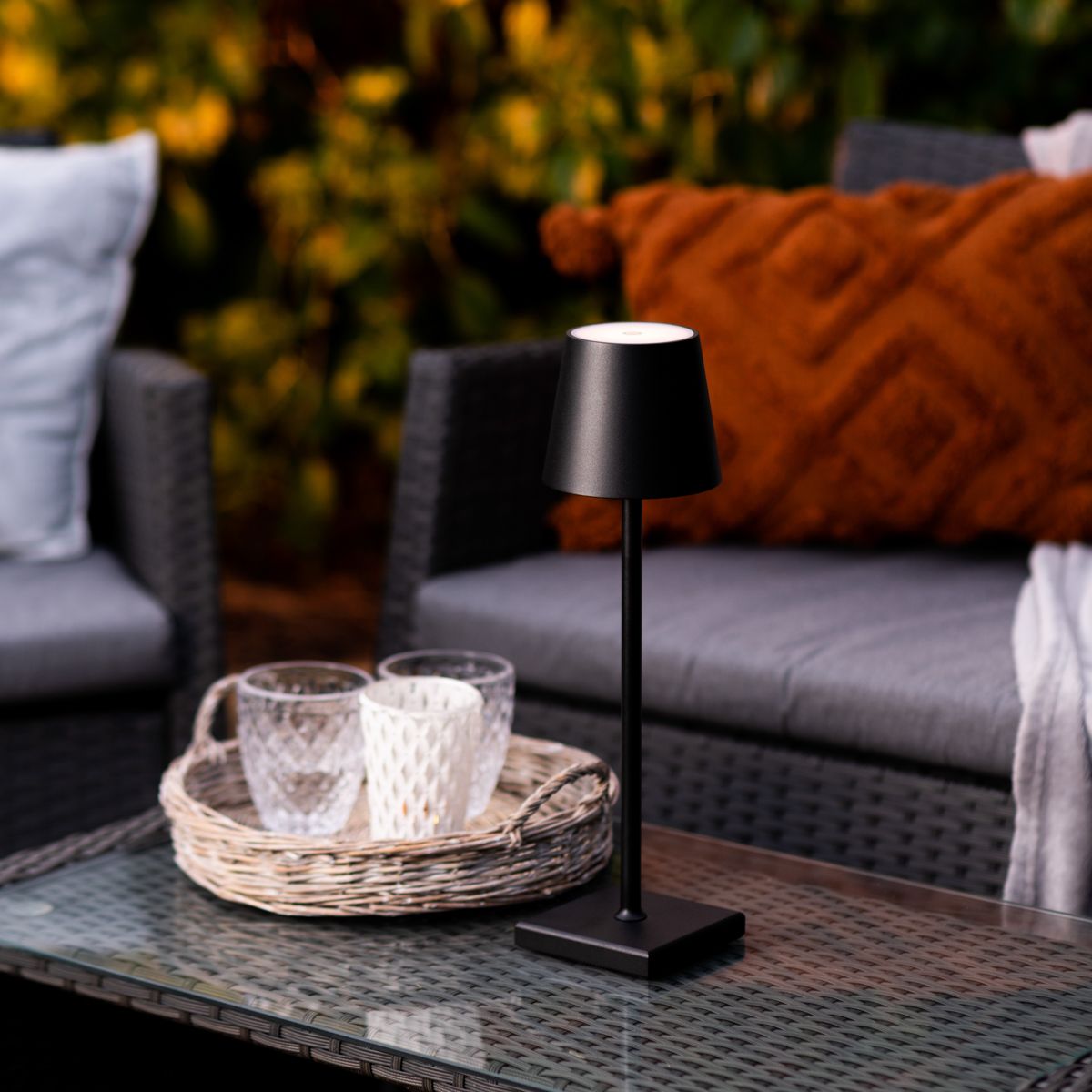
Rechargeable lamps have made it much easier to add light wherever you need it.
You can place one in the center of a dining table, move it from a bookshelf to a bedside table, or brighten a corner that does not have a nearby outlet. There are no cords to hide and no permanent installation to plan.
But before buying one, most people have the same question:
The short answer
How long will the lamp actually last?
The answer depends on whether you are asking about the number of hours it can run on one charge or the number of years its battery will remain useful. These are two different parts of battery life, and understanding both will help you choose and care for a rechargeable lamp more confidently.
Battery Runtime and Battery Lifespan Are Different
When a product page refers to battery life, it may be describing one of two things.
Battery runtime
How long the lamp stays on between charges.
Battery lifespan
How long the rechargeable battery continues to hold a useful amount of power before its capacity gradually declines.
A lamp may provide enough light for several evenings when it is new, but that does not mean every charge will deliver exactly the same runtime forever. Like the batteries in phones and laptops, rechargeable lamp batteries naturally hold less energy as they age.
That gradual decline is normal. It does not necessarily mean the lamp has suddenly failed.

How Many Hours Does a Rechargeable Lamp Last Per Charge?
There is no single runtime that applies to every rechargeable lamp.
Many cordless table lamps are designed to provide enough light for a dinner, an evening of reading, or several hours of soft bedside illumination. Some may run for only a few hours at maximum brightness but continue much longer at a lower setting.
The advertised maximum runtime is often measured under specific conditions. In many cases, that means the lamp was tested at its lowest or medium brightness rather than at full output.
Before buying, check whether the product description explains:
- The estimated runtime
- The brightness setting used during testing
- The time required for a full charge
- Whether the lamp has multiple brightness levels
A lamp described as lasting “up to 15 hours” may not run for 15 hours at its brightest setting. The phrase “up to” usually refers to the longest possible runtime under favorable conditions.
What Affects Rechargeable Lamp Runtime?
Several factors determine how quickly a cordless lamp uses its stored power.
Brightness setting
Brightness usually has the biggest effect on runtime.
A lamp running at maximum brightness requires more energy than the same lamp producing a soft ambient glow. If you are using it during dinner or as gentle evening lighting, the lowest comfortable setting may be all you need.
Higher brightness is more useful for reading, working or lighting a larger surface, but the battery will normally need to be charged more often.

LED output
Two rechargeable lamps of a similar size can have very different light outputs.
A small decorative lamp designed to create a warm pool of light may use less power than a brighter task lamp. However, wattage alone does not tell the full story. Battery capacity, LED efficiency and the lamp’s internal electronics also affect performance.
This is why comparing the manufacturer’s estimated runtime is usually more useful than comparing wattage by itself.
Battery capacity
A larger battery can generally store more energy, but it does not automatically guarantee a longer runtime.
A lamp with a large battery and a powerful LED may run for less time than a lower-output lamp with a smaller battery. How the stored energy is used matters just as much as how much energy the battery can hold.
Temperature
Rechargeable batteries perform best in normal indoor temperatures.
Very cold conditions may temporarily reduce runtime, while repeated exposure to high heat can speed up battery aging. Avoid leaving a rechargeable lamp in a hot car, beside a strong heat source or on a windowsill that receives intense direct sunlight.
If the lamp has been outdoors in very hot or cold weather, allow it to return to room temperature before charging.
Battery age
As the battery gets older, you may notice that the lamp needs to be charged more frequently.
A lamp that once lasted through several evenings may eventually need charging after every use. This is a normal sign of battery wear, especially after many charging cycles.
The change should usually be gradual rather than sudden.
How to Make a Lamp Last Longer Between Charges
Tip
You do not need to use a rechargeable lamp at full brightness all the time.
For dining tables, shelves and bedside lighting, a lower setting often creates a more comfortable atmosphere while extending the time between charges. Save the highest setting for moments when you actually need stronger light.
It also helps to switch the lamp off when you leave the room. Because cordless lamps are easy to move and blend naturally into a space, they can be easier to forget than a traditional ceiling light.
Before hosting a dinner or taking the lamp outside, charge it in advance rather than waiting until the battery is almost empty. If the lamp uses a charging base, keep the base and contact points clean and dry so the connection remains reliable.
How to Extend the Overall Battery Lifespan
Good battery care is less about following a complicated routine and more about avoiding a few habits that place unnecessary stress on the battery.
Modern rechargeable batteries generally do not need to be fully discharged before every charge. You can recharge the lamp when it is convenient. Occasionally using it until empty is unlikely to cause an immediate problem — the bigger concern is leaving it fully discharged for a long period.
Use the charging cable, adapter or charging base supplied with the lamp whenever possible. A connector that physically fits is not always the correct charging solution — voltage, current and charging control can vary between products.
Charge the lamp on a stable, dry surface away from direct sunlight and strong heat sources. If it becomes unusually hot, disconnect it and inspect the charging equipment.
If you will not use the lamp for weeks or months, do not store it fully empty. Charge it partially, turn it off and keep it in a cool, dry indoor location.
Is It Safe to Leave a Rechargeable Lamp Charging Overnight?
The safest answer depends on the specific lamp.
Many modern rechargeable lamps include charging controls that reduce or stop charging when the battery is full. However, battery design and charger quality can vary, so you should still follow the instructions supplied with the product.
Do not charge the lamp if
- The charging cable is damaged
- The port feels loose
- The lamp has recently been dropped or exposed to water
- The battery area is swollen or deformed
- The lamp becomes unusually hot while charging
It is also best to charge the lamp on an open surface rather than beneath bedding, cushions or other materials that can trap heat.

Can You Use a Rechargeable Lamp While It Is Charging?
Some rechargeable lamps can operate while connected to power, while others are designed to remain off during charging.
Using the lamp while it charges may also increase charging time because the battery is powering the light at the same time it is receiving energy.
Check the product instructions instead of assuming that every cordless lamp supports this feature.
How Do You Know When the Battery Is Wearing Out?
The most common sign is shorter runtime.
You may notice that the lamp still charges normally but does not remain on as long as it once did. It may also lose power more quickly at maximum brightness.
These are usually signs of normal battery aging:
- The lamp needs more frequent charging
- Full brightness drains the battery faster than before
- The total runtime has gradually decreased
- Charging takes longer relative to the available runtime
Stop and contact the seller if you notice
Swelling, leaking, a burning smell, strong heat or visible damage around the battery or charging port. Those are not ordinary signs of reduced capacity.
Can the Battery Be Replaced?
It depends on the lamp.
Some rechargeable lamps use removable batteries that can be replaced when their capacity declines. Others use sealed internal batteries that are not intended to be removed by the customer.
A sealed design can create a cleaner shape and help protect internal parts, but it may make future battery replacement more difficult. If long-term repairability matters to you, check the battery information before buying.
Do not open a sealed lamp unless the manufacturer specifically provides instructions for doing so.
What to Check Before Buying a Rechargeable Lamp
A good rechargeable lamp should fit the way you plan to use it, not simply advertise the largest possible battery number.
Before ordering, look for clear information about:
- Runtime at different brightness levels
- Maximum light output
- Charging time
- Charging method
- Dimming controls
- Battery replacement
- Indoor or outdoor suitability
- Water-resistance rating
- Warranty and customer support
Pay particular attention to outdoor claims. A lamp being cordless and portable does not automatically mean it is weatherproof.
If you plan to use it on a patio, balcony or outdoor dining table, confirm whether the product is rated for that environment. Keep the charging port and charging equipment dry unless the instructions clearly state otherwise.

Frequently Asked Questions
Should I charge a new rechargeable lamp before using it?
Yes. Giving the lamp a full initial charge helps ensure that you begin with the maximum available runtime.
Should I charge it after every use?
Not necessarily. You can recharge it when the remaining power no longer suits your next use. Charging after a long dinner or before an event is often more practical than following a strict schedule.
Why does the lamp last longer at a lower brightness?
A lower brightness setting uses less energy, allowing the battery to power the LED for a longer period.
Does a longer charging time mean a longer runtime?
Not always. Charging time depends on the battery, charger and charging system. A lamp that takes longer to charge does not automatically provide more hours of light.
Are rechargeable lamps suitable for everyday use?
Yes, provided the lamp’s brightness and runtime match your routine. They are especially useful on dining tables, bedside surfaces, bookshelves and areas where a visible power cord would be inconvenient.
Choosing a Rechargeable Lamp That Fits Your Routine
The best rechargeable lamp is not necessarily the one with the longest advertised runtime.
What matters is whether it provides enough light for the way you use it. A lamp that stays on throughout dinner, moves easily between rooms and charges conveniently may be more practical than a brighter model that spends most of its time connected to a cable.
Use a lower brightness when you only need atmosphere, keep the lamp away from extreme heat and recharge it before the battery remains empty for an extended period. These simple habits can help preserve both the daily runtime and the long-term health of the battery.
Explore Pinlighting’s collection of rechargeable lamps to find cordless lighting for dining tables, bedside spaces, shelves and hard-to-light corners.
Use code JOIN10 for 10% off your order.