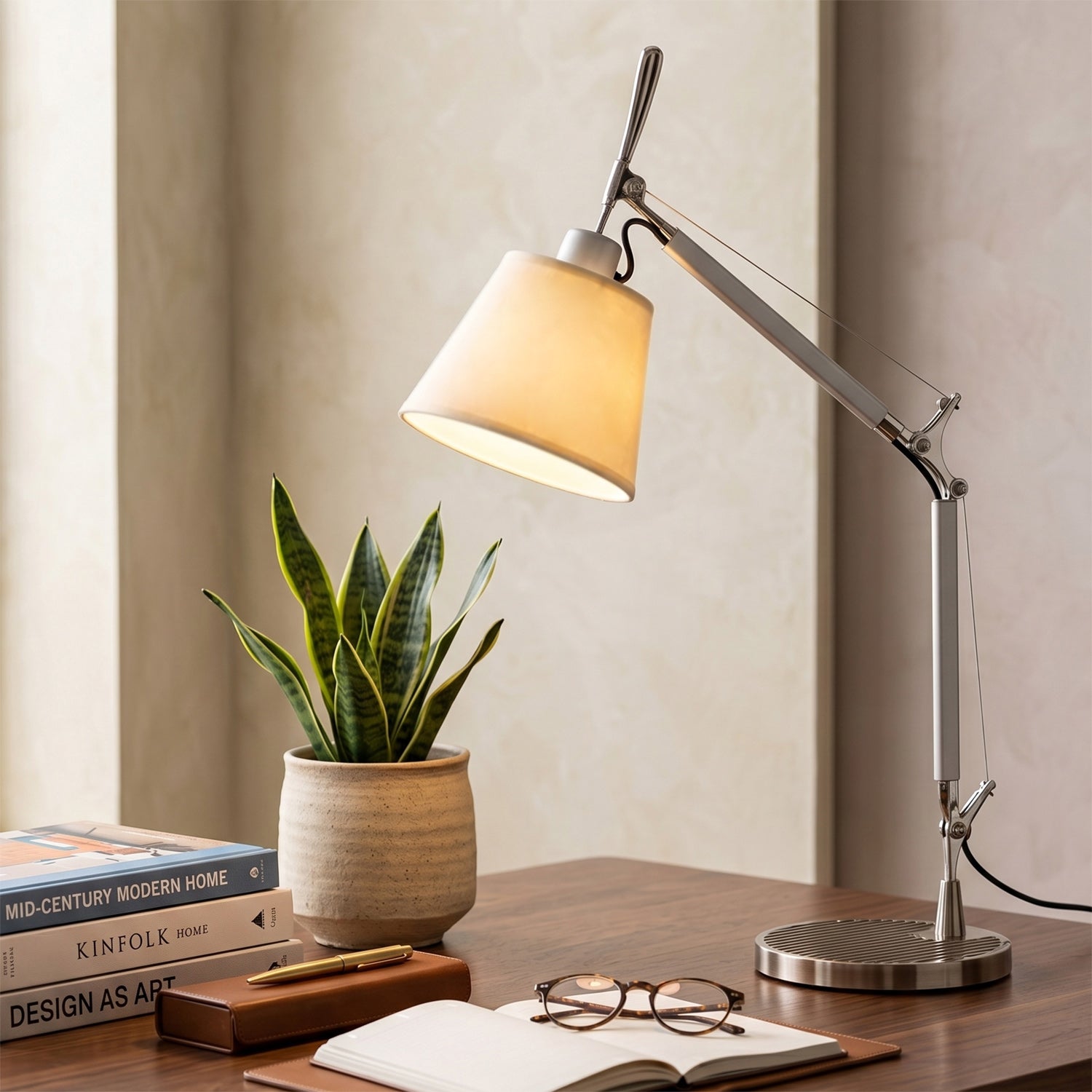
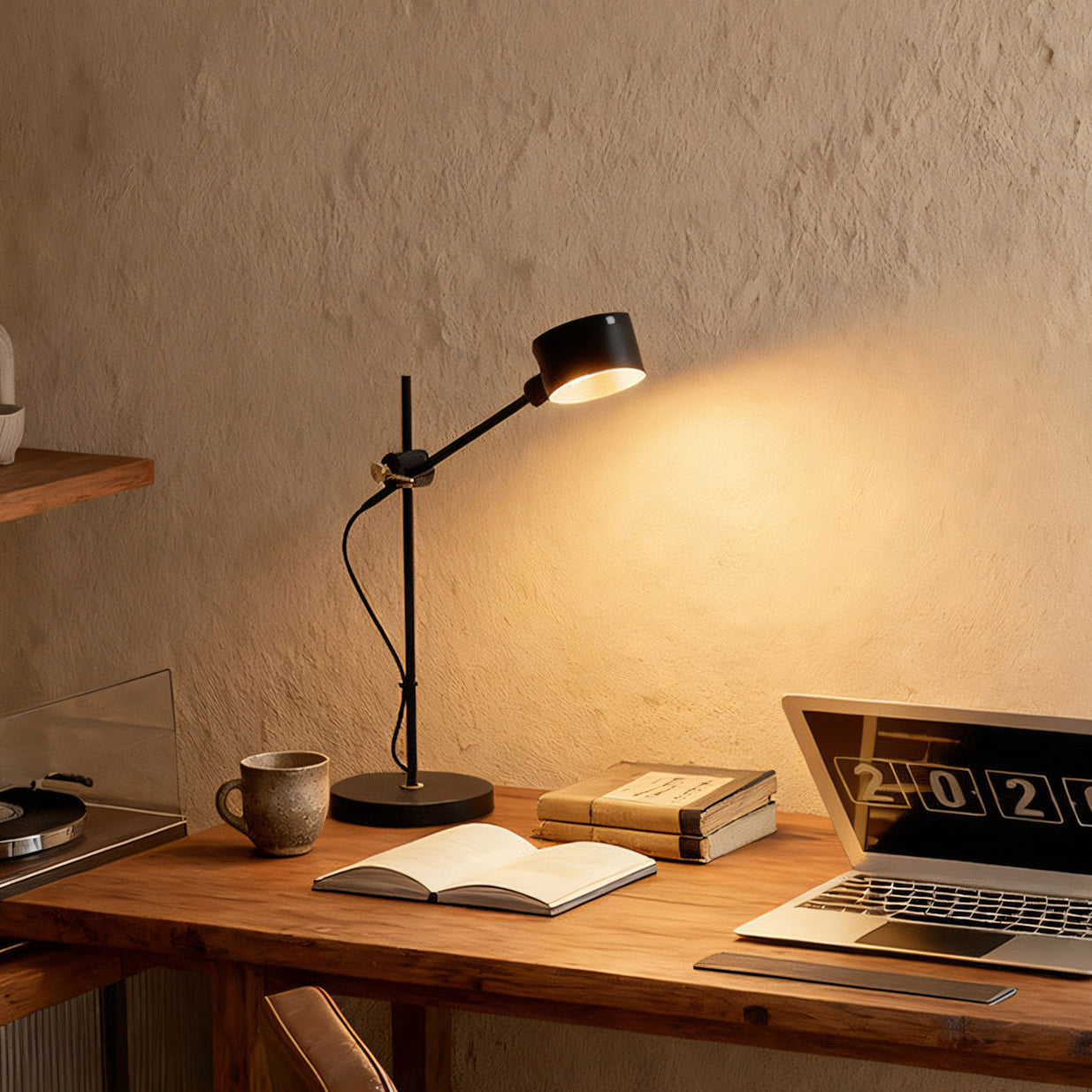
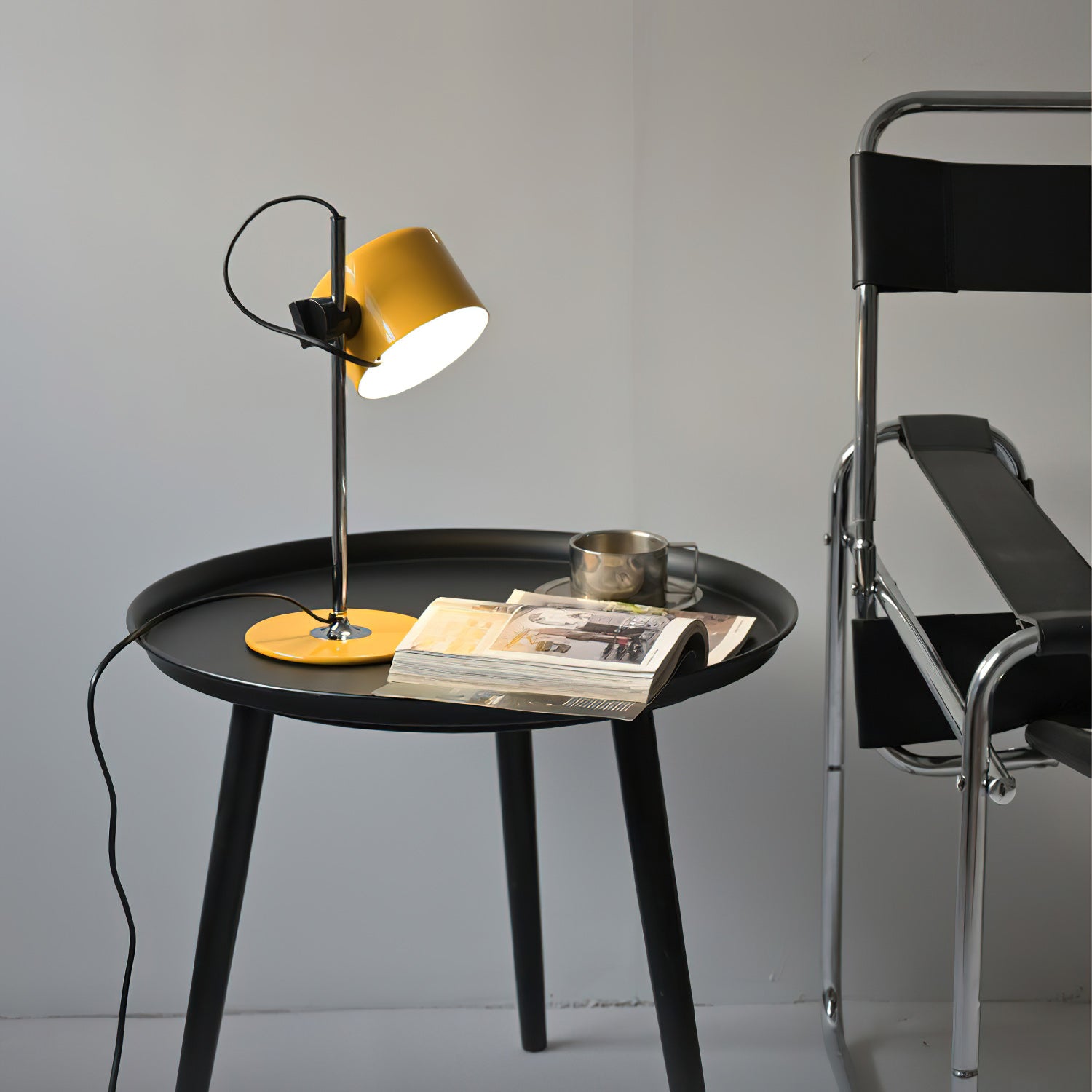
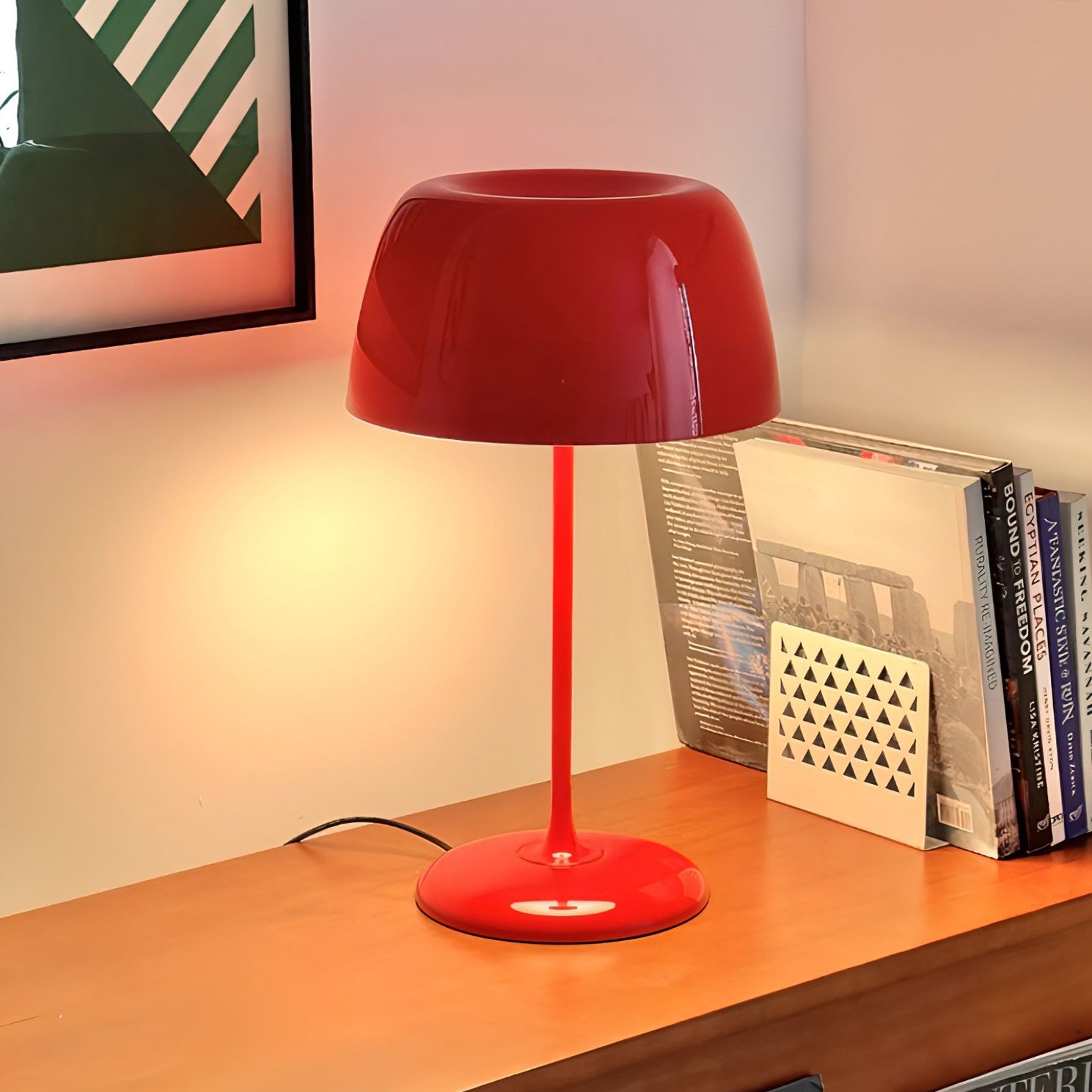
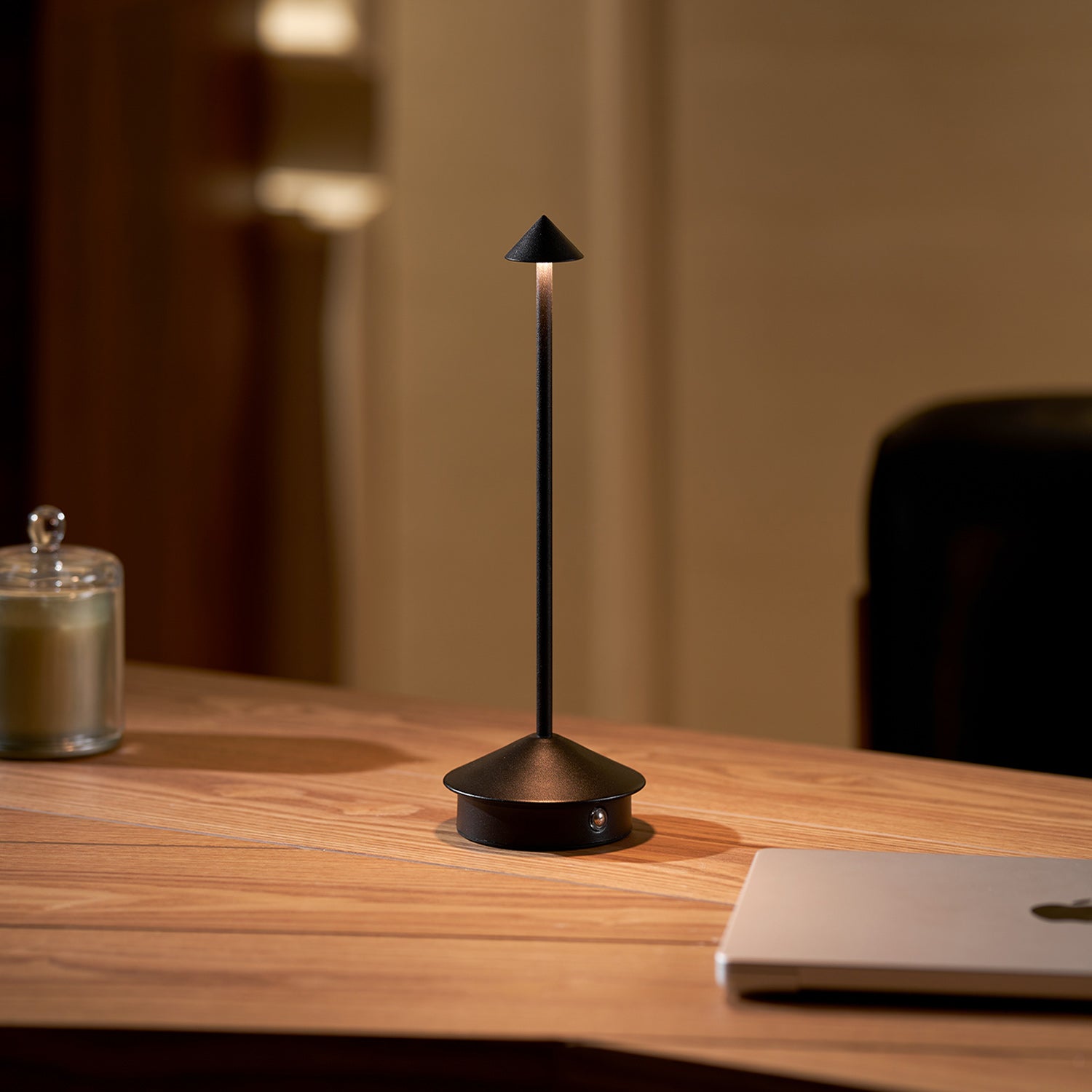
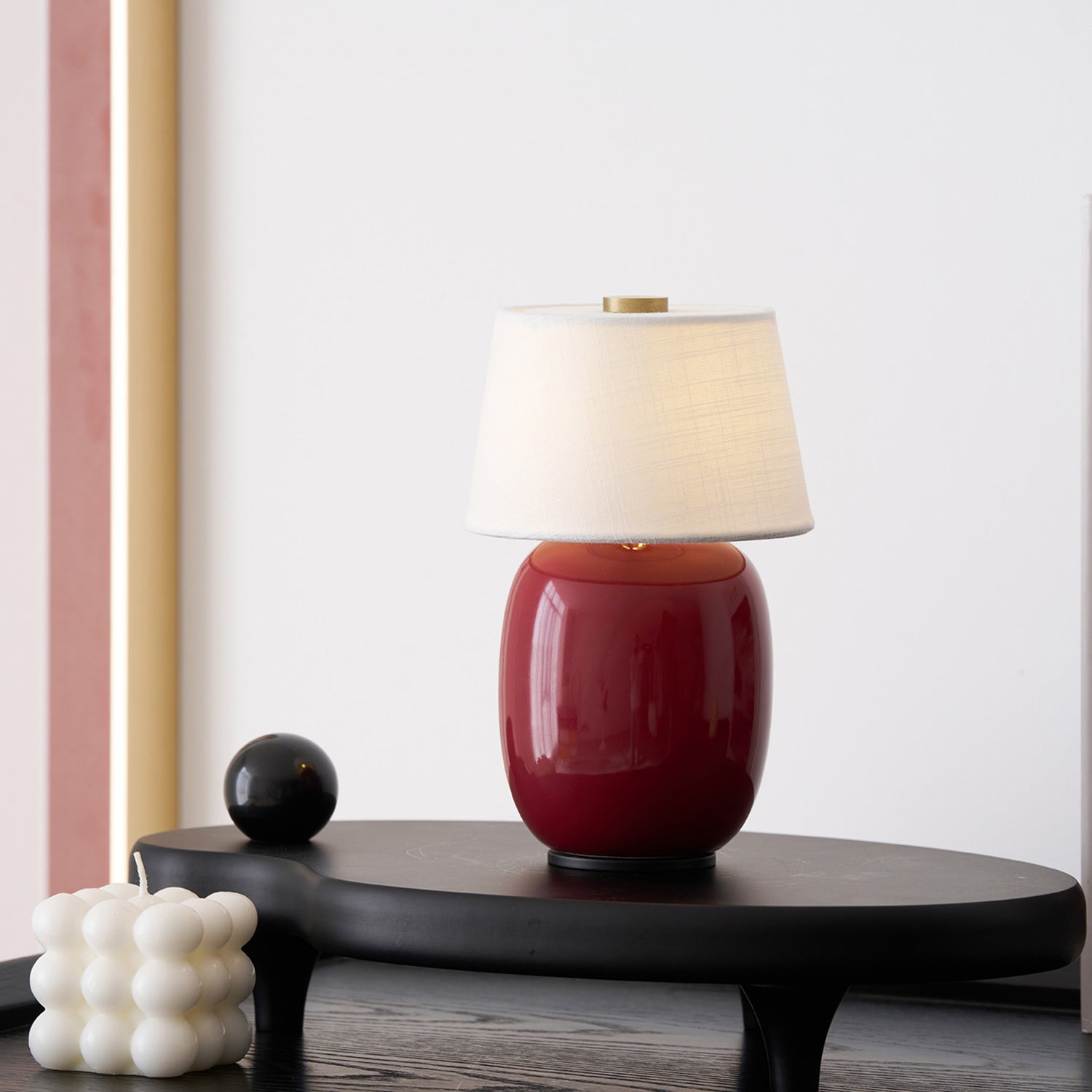
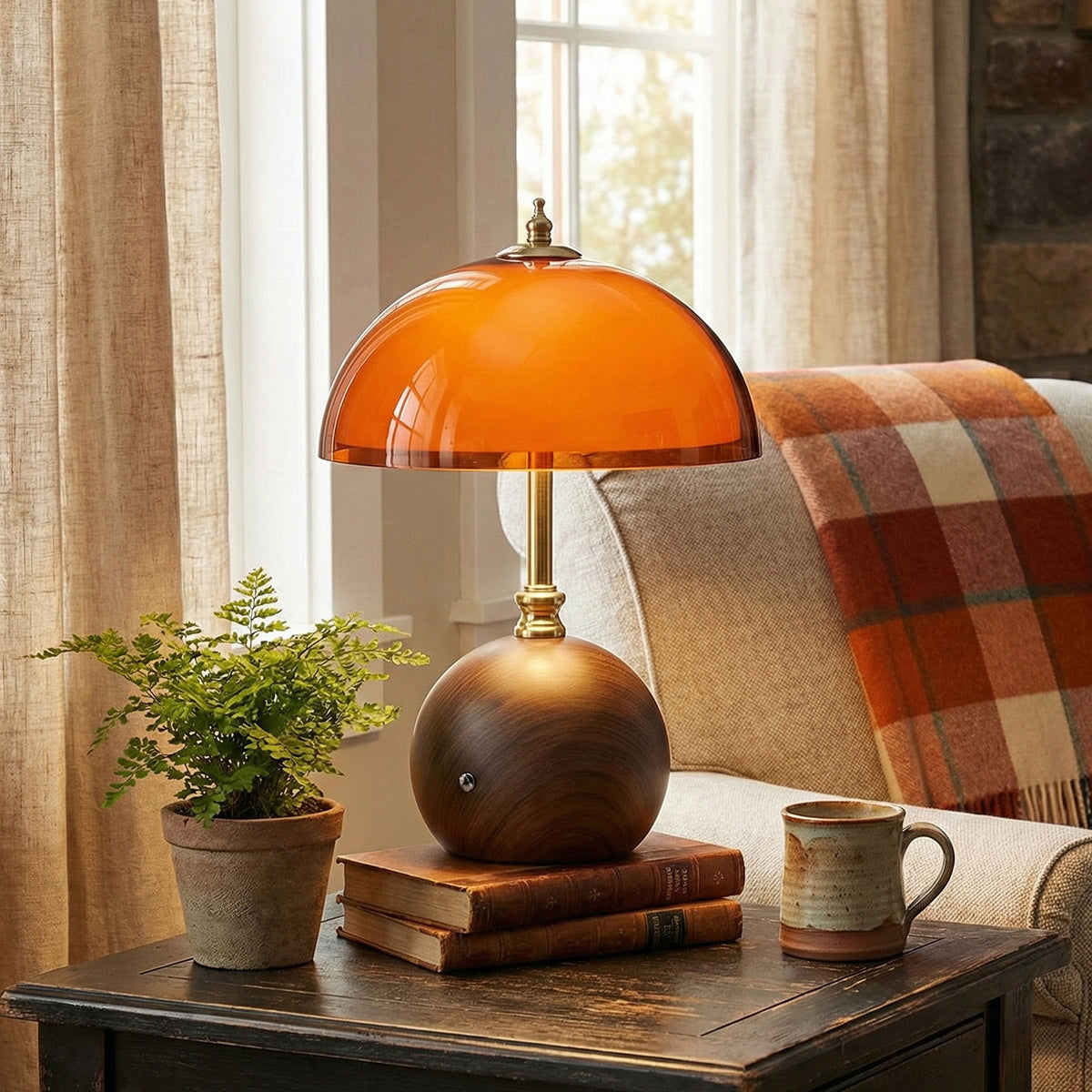
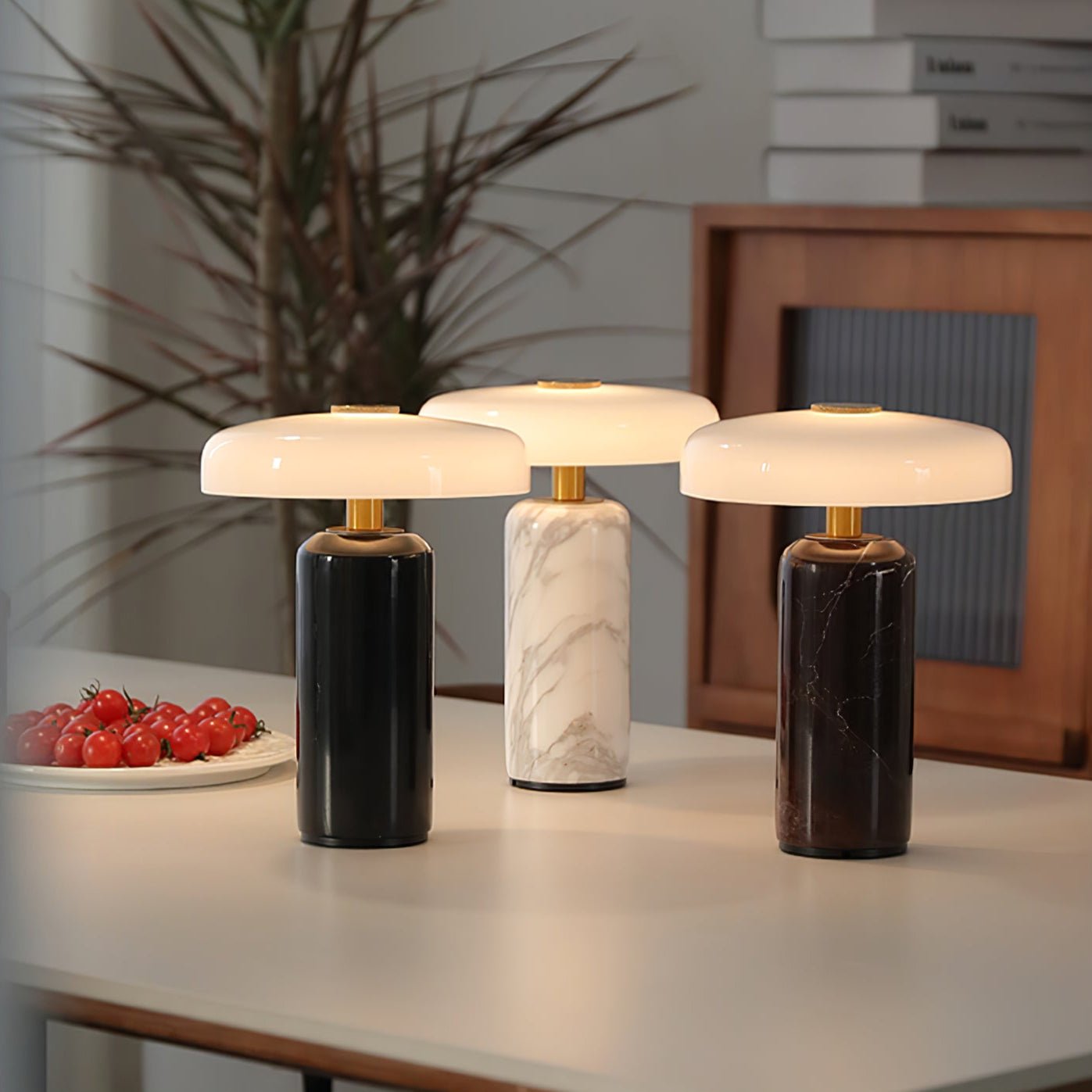
A table lamp can look perfect in a room and still be inconvenient to use.
A cordless lamp gives you more freedom to place the light where you want it, even when there is no nearby outlet. A plug-in lamp provides continuous power and is often better for reading, working or everyday bedside use.
The right choice depends on three things: where the lamp will sit, how long it will stay on and whether you plan to move it regularly.
Compare
Cordless and Plug-In Lamps at a Glance
| Feature | Cordless Table Lamp | Plug-In Table Lamp |
|---|---|---|
| Placement | Can be used away from outlets | Needs access to an outlet |
| Visible cord | None while in use | Usually visible |
| Runtime | Limited by battery capacity | Continuous |
| Charging | Requires regular recharging | No charging needed |
| Portability | Easy to move | Usually stays in one place |
| Best use | Dining, accent and flexible lighting | Reading, work and daily fixed lighting |
Neither type is automatically better. A cordless lamp is useful when placement matters most, while a plug-in lamp is usually more practical when the light will remain in one position for long periods.

Room By Room
Which Type Works Better in Each Room?

For a primary bedside lamp, a plug-in model is usually the more practical choice. It is ready every night, works well for reading and does not need to be recharged between uses.
A cordless lamp may be better when the nightstand is far from an outlet, the tabletop is very small or you only need a low, warm light before sleeping. It can also work well in a guest room where the lamp is used less frequently.
Consider how the controls are positioned. A touch switch on top of a cordless lamp may be easier to reach from bed, while an inline switch hidden behind furniture can be less convenient.

The lamp's purpose should guide the decision.
For a reading chair or a fixed side table used every evening, plug-in power usually offers better reliability. For a console, bookcase or corner without an accessible outlet, a cordless lamp provides more freedom.
Rechargeable models are also useful for occasional gatherings because they can be moved closer to seating areas when extra light is needed.

Cordless lamps are often the clearer choice for a dining table. They create a warm pool of light without running a cable across the tabletop or toward a wall outlet.
Choose a lamp that is low enough to preserve a clear view across the table. A wide or very tall lamp may look attractive on its own but can interrupt conversation once guests are seated.
For a long table, several smaller cordless lamps usually create a more balanced effect than one oversized lamp. They can also be removed easily when more serving space is needed.

A plug-in lamp is generally better as the main desk light. Office lighting is often used for long periods and needs to provide steady illumination without requiring attention to battery life.
A cordless lamp still has a place in a home office. It can light a shelf, soften the background during video calls or provide gentle evening light after the main task lamp is switched off.
For focused work, check the actual light output and beam direction rather than assuming every table lamp is suitable for reading or computer use.

Cordless lighting is usually the most flexible option outdoors, especially when there is no safe outlet near the table.
However, rechargeable does not automatically mean weather-resistant. Check the lamp's stated IP rating and outdoor-use instructions before exposing it to moisture. A model intended for occasional patio use may still need to be brought indoors after use.
Also consider the charging routine. A lamp that stays outside may be forgotten until the battery is empty, so it helps to choose a model that is easy to carry and recharge.
Daily Use
Think About Your Daily Habits
Specifications matter, but the better choice often comes down to how you use the room.
Will You Remember to Recharge It?
A cordless lamp is only convenient when it is ready to use. If you often forget to charge portable devices, a plug-in lamp may create less daily maintenance.
A charging dock can make the routine easier because the lamp has a clear place to return after use.
Can the Cord Be Hidden?
Before ruling out a plug-in lamp, look at the position of the furniture and outlet.
A cord may be barely visible behind a nightstand, desk or sofa table. If it can be routed safely and neatly, continuous power may be more useful than portability.
Will You Move the Lamp?
A cordless lamp becomes more valuable when it regularly moves between locations. If it will remain on the same table for months, the freedom of wireless placement may not outweigh the need for recharging.

Decide
Cordless or Plug-In: The Final Choice
Choose Cordless When
Flexibility comes first
- The table is away from an outlet.
- You want a clean, cable-free surface.
- The lamp will move between rooms.
- You mainly need dining, accent or ambient light.
- You are comfortable recharging it regularly.
Choose Plug-In When
Reliability comes first
- The lamp will stay in one fixed location.
- You use it for reading, working or long evening hours.
- A nearby outlet makes the cord easy to manage.
- You want continuous, dependable power.
- Portability is not important.
The best option is not determined by the room alone. A bedside reading lamp and a decorative lamp on the other side of the same bedroom may need different power sources.
Start with the job the lamp needs to perform. Then decide whether flexible placement or continuous power will make it easier to use every day.
Find the Right Table Lamp for Your Space
Explore Pinlighting's collection of cordless rechargeable lamps and plug-in table lamps to find a design that fits your room, lighting needs and daily routine.
Use code JOIN10 at checkout to receive 10% off your order.
Shop now and bring flexible, comfortable lighting to every corner of your home.